The right infrastructure starts with what you need to achieve.
Calls that drop indoors, networks that struggle at busy times, or coverage threatened by a site loss: similar frustrations can need different responses. Ontix brings assessment, technology and delivery experience together to help establish the right approach for your location and the people it serves.
Not every signal problem is the same.
Understanding where service falls short is the first step towards improving it. These three questions help frame the requirement; assessment establishes the cause and the options worth considering.
- 01
Coverage
Does the mobile signal reach the areas people need to use? Building materials, layout and the surrounding network can all affect availability.
- 02
Capacity
Can the mobile network support demand when people use it? A visible signal does not necessarily mean enough capacity at busy times.
- 03
Guest internet access
Do visitors need an internet connection through Wi-Fi? This is a separate service requirement that can complement mobile connectivity.
Different solutions. Coordinated around your requirement.
Outdoor and indoor systems address different coverage and capacity needs. Public Wi-Fi provides a separate internet access service, while our platform and delivery capabilities support the agreed deployment. We assess which elements are relevant and how they need to work together.
Small cells
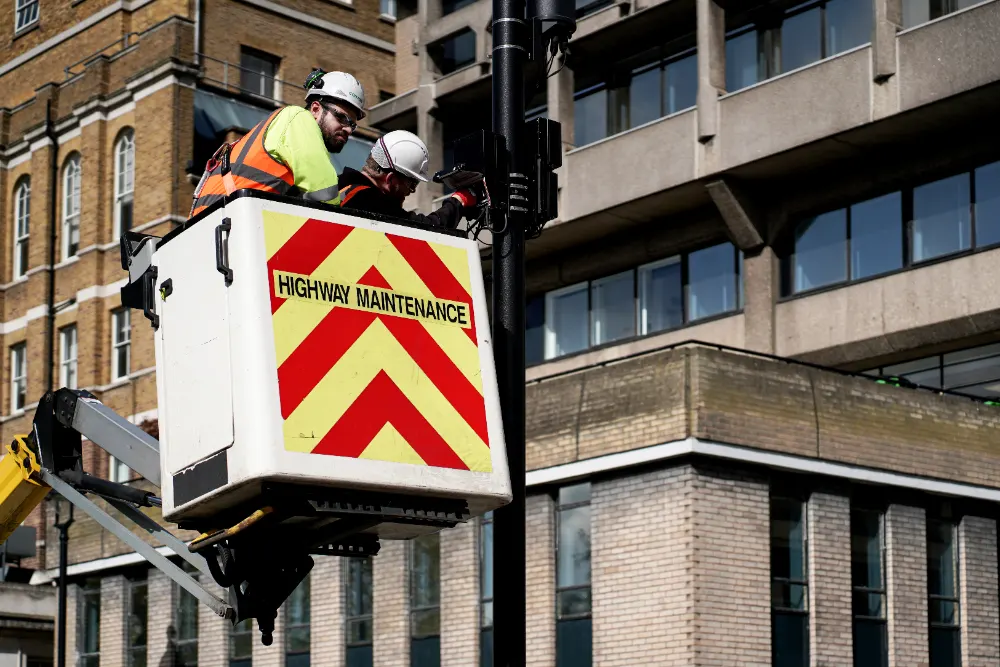
Compact base stations on suitable street furniture complement the wider mobile network. Ontix assesses the radio requirement alongside asset access, power, transmission and operator arrangements, then coordinates the agreed deployment.
Temporary Small Cells
A planned cluster of small cells may help support selected areas while a longer-term network response progresses. We assess the service objectives, available assets, delivery timescale and transition requirements before establishing whether the approach is suitable.
Intra
Intra is Ontix’s managed indoor mobile solution for suitable premises. We assess the layout, demand, local connectivity requirements and participating mobile networks to establish suitability and the proposed service.
Distributed antenna systems (DAS)
A DAS distributes mobile signals from agreed sources to antennas across a site. The design considers building layout, capacity requirements and operator participation, alongside the infrastructure and delivery responsibilities.
Public Wi-Fi
We plan the service around its users, demand and operating requirements. Public Wi-Fi can complement mobile connectivity by providing a separate way for visitors to get online.

Ontix Nexus
The Neutral Host Service Gateway connects shared radio infrastructure with participating mobile operator core networks. It enables an agreed network model; it is considered alongside the radio design and operator arrangements.
Infrastructure and build services
We coordinate site access, physical works, power and transmission within the agreed scope. Clear responsibilities connect the design and installation stages with handover and ongoing infrastructure management.

One installation, more than one network, where operators agree.
A neutral host approach allows participating mobile networks to use shared infrastructure. Where technically and commercially appropriate, this can reduce duplication of equipment and supporting works. The design establishes what is shared, how operators connect and who is responsible for each part.
What it means:
- For operators: a route to additional coverage or capacity using shared infrastructure, subject to technical and commercial agreement.
- For councils and property owners: an opportunity to coordinate infrastructure within the available space and reduce separate installations where feasible.
- For the people using it: improved mobile service on the networks participating at that location.
Operator participation and service availability are specific to each deployment. We establish these requirements with the relevant parties as part of assessment and design.
Find your situation.
Start with the situation you recognise. These are options to explore, not a final specification; we assess the location, users and delivery requirements before recommending an approach.
Solutions to consider
Outdoor small cells can add targeted capacity. The radio conditions, available assets and precise location determine whether they are suitable.
Small cells
Targeted outdoor mobile coverage and capacity, close to where demand builds.
Often relevant to Mobile network operators; local authorities
Solutions to consider
Explore whether an interim cluster could support priority areas within the available timescale, alongside the longer-term network response.
Temporary Small Cells
Interim mobile coverage for priority areas affected by site loss.
Often relevant to Mobile network operators
Solutions to consider
Often relevant to Local authorities; venues
Solutions to consider
Plan indoor and outdoor requirements early, considering building use, expected demand and the mobile networks needed. Assessment establishes which systems are appropriate.
Small cells
Targeted outdoor mobile coverage and capacity, close to where demand builds.
Intra
Indoor mobile coverage for business premises, planned around the people using them.
Ontix Nexus
A platform consideration where a shared, multi-operator design is agreed.
Often relevant to Property owners and developers; local authorities
Solutions to consider
The appropriate indoor approach depends on layout, capacity requirements and operator participation. An estate with outdoor coverage gaps may also need an outdoor solution.
Intra
Indoor mobile coverage for business premises, planned around the people using them.
Often relevant to Enterprises, venues and campuses
Solutions to consider
Assess whether managed indoor coverage suits the premises, participating networks and local requirements. Other approaches may be sufficient in some situations.
Intra
Indoor mobile coverage for business premises, planned around the people using them.
Often relevant to Small and medium enterprises
Solutions to consider
Assess a shared infrastructure approach, subject to the radio design and operator participation.
Ontix Nexus
The neutral host gateway linking shared infrastructure to each participating operator.
Small cells
Targeted outdoor mobile coverage and capacity, close to where demand builds.
Intra
Indoor mobile coverage for business premises, planned around the people using them.
Often relevant to Operators, public bodies and property stakeholders
Solutions to consider
Infrastructure and build services
Design, build and ongoing management of the infrastructure your connectivity depends on.
Often relevant to Mobile network operators; partners
From understanding the requirement to supporting live infrastructure.
- 01
Define
Establish what needs to work, where and for whom, including the mobile networks or guest access service required.
- 02
Assess
Review radio conditions, available assets, connectivity, power, access and permissions.
- 03
Design
Develop the approach, agree responsibilities and establish the applicable operator and customer acceptance requirements.
- 04
Deliver
Coordinate installation, commissioning and handover against the agreed scope and acceptance criteria.
- 05
Manage
Provide ongoing monitoring and maintenance within the agreed service scope, with clear responsibilities for faults and changes.
The scope and sequence depend on the solution. Delivery times are shaped by site conditions, operator requirements and the dependencies identified during assessment.
Small cells at Trafalgar Square.
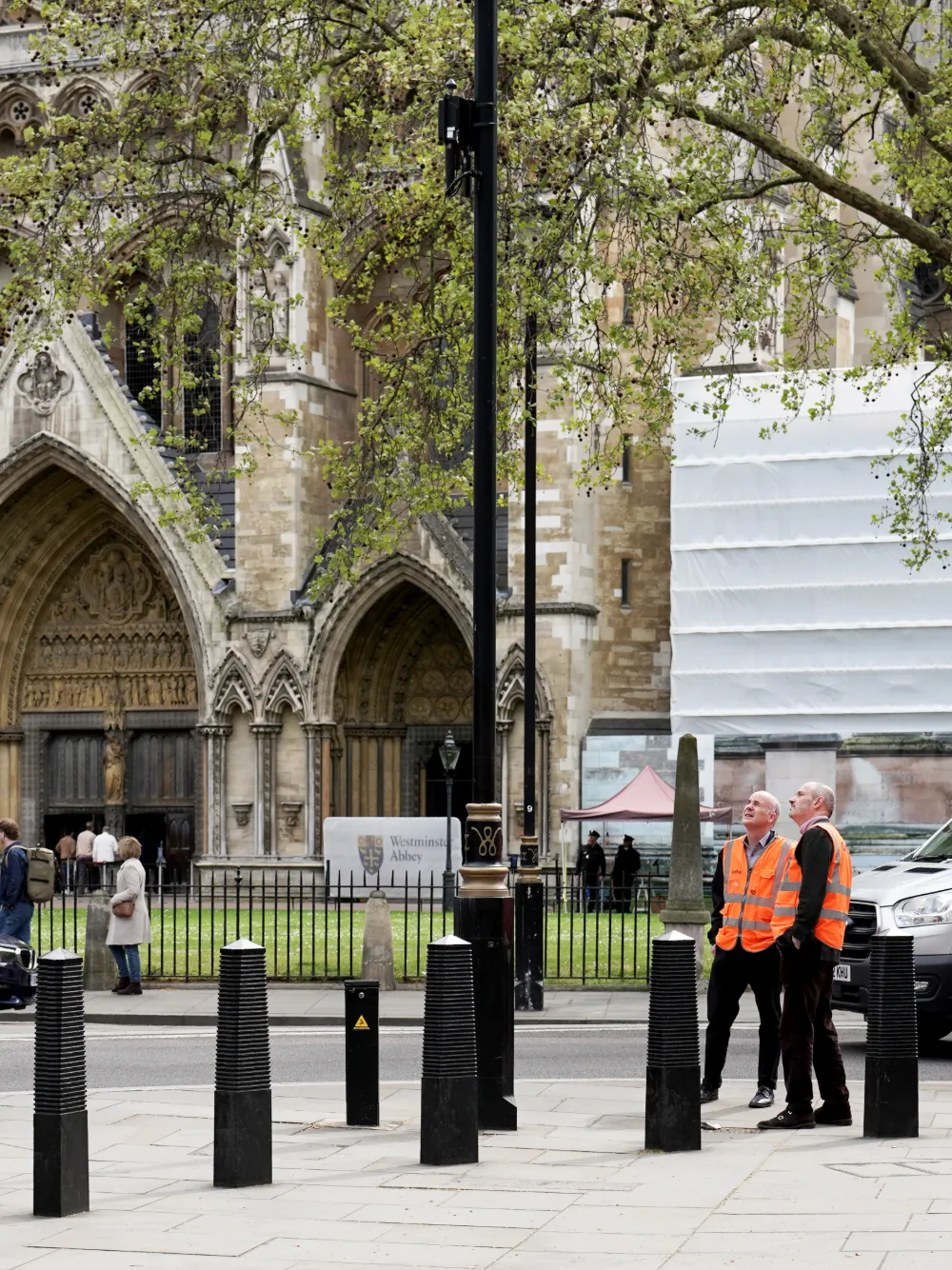
Trafalgar Square shows how a capacity requirement shaped the infrastructure response. Ontix used access to street furniture through Westminster City Council to deploy small cells for Vodafone, with five sites later upgraded to add 5G.

- 4G small cells deployed and connected
- 7
- December 2022
- weeks to make each phase operational
- 4
- December 2022 and December 2025
- sites upgraded to add 5G on a C‑RAN architecture
- 5
- December 2025
Timings relate to this project. Every location needs its own assessment.
Read the case studyFrom the Ontix Exchange
The Connectivity ConversationThe Notice to Quit Dilemma
Danny Hoyle, Account Director, on the questions operators should answer when an established mobile site is at risk.

Read the Q&A →
The Connectivity ConversationConnected communities: planning mobile connectivity from day one
Paul Trubridge, Director, New & Emerging Markets, on why councils and developers should plan mobile connectivity like any other essential utility.
Coming soon to the Ontix Exchange →
The Connectivity ConversationFrom ambition to live connectivity
Chris Newall, Chief Executive Officer, on taking the complexity out of connectivity programmes, from first ambition to a network that performs.
Coming soon to the Ontix Exchange →
The Connectivity ConversationIndoor mobile coverage: why it lets businesses down
Richard Williams, Director of Strategic Partnerships, on why indoor signal fails, why Wi-Fi alone isn’t the answer, and how Intra helps.
Coming soon to the Ontix Exchange →
Not sure which option fits? Let’s work it out together.
You don’t need a technical specification to start. It helps to know:
- Where
- The existing or planned buildings, rooms and outdoor areas the service needs to support.
- Who
- The people and operations relying on it, including the mobile networks they need.
- When
- When demand peaks, when problems occur and any target dates for service.
- What could affect delivery
- Access arrangements, lease conditions, planned works and other known constraints.
We’ll help establish what needs assessing and which approaches are worth exploring.
Or call +44 (0)330 1229000